Untangling Subcontractor Success
Many businesses rely heavily on subcontractors—and in the electronic security and life safety industry, these partnerships are often essential. Subcontractors help organizations scale, expand into new regions, add specialized expertise, and remain competitive in a fast-evolving marketplace. But strong results only come from strong relationships — and processes.
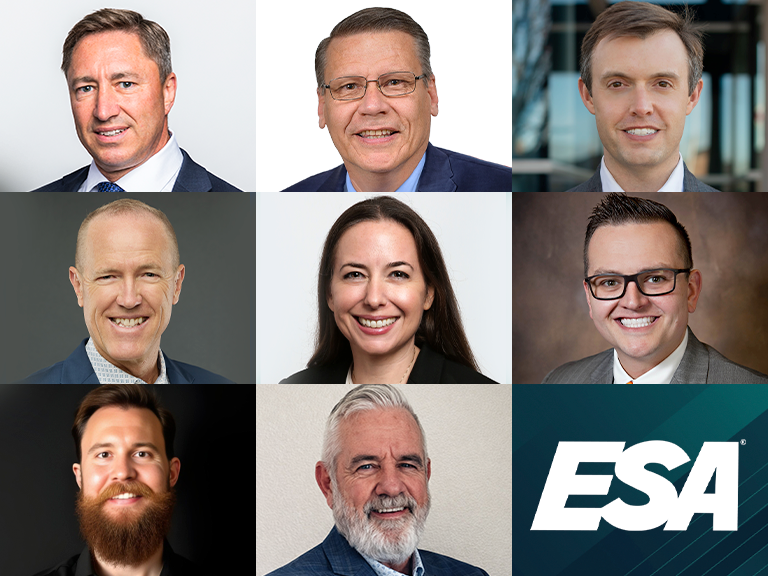
John Nemerofsky, Chief Operating Officer of SAGE Integration, oversees national projects for enterprise clients. With decades of experience in operations and field management, he has seen firsthand how subcontractor performance directly impacts customer trust and brand reputation.
Mark Zuckerman, CEO of Clear Connection, Inc., leads a growing integration firm known for its commitment to quality workmanship and strong vendor partnerships. His focus on communication and streamlined processes has shaped how his teams collaborate with external field technicians.
Together, their experiences highlight what integrators need most from subcontractors —and what subcontractors need in return.
Why Clear Expectations Matter: When the Sub Becomes Your Brand
The most effective dealers/integrators treat subcontractor expectations as a documented, repeatable process, not a verbal conversation.
A foundational tool for this alignment is a detailed, consistently enforced agreement.
Include a written scope of work that outlines exactly what is included, what is excluded, required materials, deliverables, installation standards, reporting expectations, and deadlines.
Pair this with clear site rules—dress code, customer interaction guidelines, safety protocols, and documentation requirements such as photos, test results, or checklists.
Establish communication channels upfront: Who does the subcontractor report to? How often should they provide updates? What should they do if issues or scope gaps arise?
Finally, enforce consistency by reviewing expectations during kickoff, checking in mid-project, and holding subs accountable with measurable quality standards.
Clear, upfront alignment reduces rework, protects margins, and builds reliable long-term subcontractor partnerships.
Subcontractors are often the face of an integrator in the field. Nemerofsky explains, “Their performance can either strengthen or damage your reputation.” For many clients, the technician walking through the door IS the company they hired. That makes alignment essential.”
At SAGE, dress code, identification requirements, and subcontractor responsibilities are all clearly outlined in their agreement. When subcontractors deviate from these standards — such as passing work to another party without authorization—the consequences can be significant.
As Nemerofsky notes, “It can mean the difference between keeping or losing a huge client.”
Clear standards protect both the integrator and the subcontractor. A strong agreement, that is laid out and reviewed with both parties, mean everyone understands expectations long before a project even begins.
Fairness, Reliability, and Payment: The Basics That Build Loyalty
The Basics That Build Loyalty Subcontractors can become powerful long-term partners when they feel valued, supported, and treated as an extension of your own team—not interchangeable labor.
The cornerstones of that relationship are simple but powerful: communicate expectations clearly, pay on time every time, provide steady and predictable work, and create an environment where their professionalism is recognized. When subcontractors know they can trust you to be fair, organized, and responsive, they reciprocate with reliability, higher quality workmanship, and a willingness to go the extra mile.
“We treat our subcontractors like we treat our employees,” Zuckerman emphasizes. “You cannot miss those payments. If you are vigilant with this, you will burn bridges.”
Paying on time signals respect, professionalism, and reliability — qualities subcontractors expect from partners who depend on them to represent the brand.
He adds that while accountability matters, fairness matters just as much. Subcontractors shoulder enormous responsibility when dealing directly with clients. Acknowledging that role fosters a true sense of partnership.
Technology and Project Management Improve Performance
Project management platforms have transformed the way integrators and dealers manage projects and oversee subcontractors in the field. What used to rely on phone calls, scattered emails, and disparate checklists can now be coordinated through a single, real-time digital hub.
These tools give project managers instant visibility into progress, installation quality, device status, and documentation—no matter how many job sites or subcontractor crews are involved.
For many integrators the payoff is substantial: clearer accountability, better visibility, and fewer surprises on site.
Don’t Recruit — Recognize: Finding and Developing Great Subcontractors
Finding quality subcontractors starts with tapping into trusted networks: vendor partners, industry peers and associations, like ESA.
Beyond referrals, the best subcontractors distinguish themselves through professionalism, clear communication, proper licensing, and a proven track record of reliability.
Meeting them on-site, reviewing past projects, and evaluating how they present themselves to customers can quickly reveal whether they’ll be a strong fit for your standards.
Ownership mentality is another differentiator. As Zuckerman puts it, “With large projects, you need someone who acts like an owner. If they don’t care at the same level you do, it won’t work.”
Finding and developing great subcontractors starts with recognizing the individuals who bring not only technical expertise, but the professionalism and pride that reflect your company in every customer interaction.
DO’S AND DON’TS OF SUB SELECTION
DO: WHAT TO LOOK FOR
Verify Credentials
• Confirm licensing, insurance,
and bonding requirements.
• Run background checks
aligned with your company’s
standards.
• Ensure they can provide
documentation on
compliance and safety
training.
Evaluate Experience
• Check for hands-on
experience in similar
environments (multi-family,
healthcare, education, etc.).
Assess Professionalism
• Ensure they follow
standardized processes—
daily logs, checklists, install
photos, etc.
DON’T: RED FLAGS TO AVOID
Avoid Poor Transparency
• Skip candidates who can’t
give project details or
contact info for past clients.
Avoid Safety & Training Gaps
• Don’t hire anyone who
cannot provide proof of
safety certifications, OSHA
compliance, or technical
training.
Avoid Known Issues
• Don’t ignore negative
reviews, customer
complaints, or reports of
inconsistent quality.
How Subcontractors Support Emerging Opportunities
Utilizing subcontractors strategically can be one of the most powerful ways for security integrators to grow revenue without expanding fixed overhead. Subcontractors give companies the flexibility to take on more projects, pursue larger opportunities, and scale into new geographic markets without the time and cost of hiring full-time staff. As technology evolves, subcontractors can increasingly support complex jobs, ongoing services, and advanced diagnostics.
Across verticals, subcontractors who can support both installation and long-term system health are invaluable.
Creating Balance: When Both Sides Show Up
Ultimately, successful subcontractor relationships come down to balance:
• Clear expectations
• Fair treatment
• Reliable communication
• Shared accountability
• Mutual respect
Integrators should continually ask: What brings value to the customer? Subcontractors play a crucial role in creating that value—through skill, professionalism, and consistent performance.
When companies invest in strong contracts, treat subcontractors as partners, leverage technology for oversight and strong project communication — these relationships can become a strategic advantage.
Subcontractors offer flexibility, scalability, and specialized expertise that many integrators cannot match in-house. When managed well, these partnerships enhance quality, strengthen reputation, and fuel growth in both established verticals and emerging opportunities.