Building Business Infrastructure Around RMR
Are There Opportunities Your Company Is Overlooking?
Security integrators are constantly looking for ways to grow recurring monthly revenue, but some of the best opportunities may already exist within the services they’re providing today. Video system quality assurance, hosted services, environmental monitoring and ongoing system support can all create meaningful customer value. Yet integrators may be providing some of these services for free, including them with installations without assigning recurring value, or overlooking the opportunity altogether.
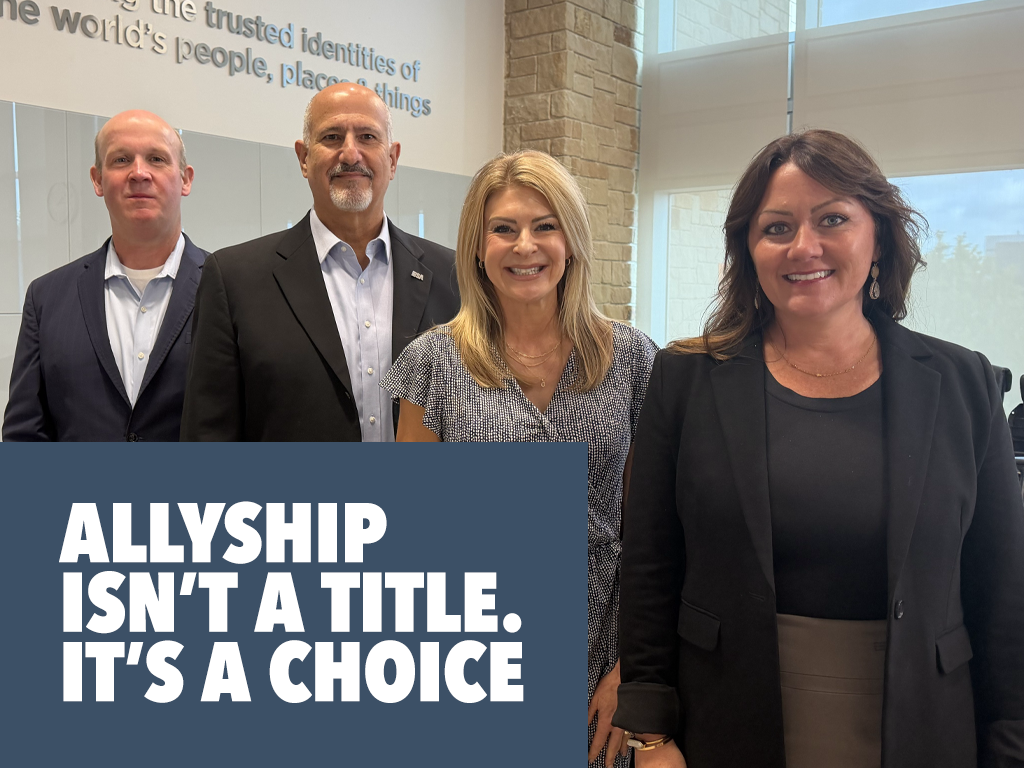
At ESX 2026, four longtime industry leaders explored where integrators may be missing opportunities to build RMR: Scott Elkins, Executive Chairman of Zeus Fire and Security and ESA Board Member; John Loud of LOUD Security Systems and former ESA Chairman; Melissa Brinkman of Custom Alarm and ESA Secretary and Board Member; and Jeremy Bates of Pye-Barker Fire & Safety and incoming ESA Chairman.
Drawing from their own experiences of building and leading security companies, they shared a common message: growing RMR doesn’t always require inventing a new service. Sometimes it starts by taking a closer look at the value your company already provides and building a business model around it.
Look for Value Beyond the System
Growing RMR requires more than adding another line item to a customer’s bill. It means looking at intrusion, fire, video and access control systems and identifying the ongoing services that can be wrapped around those technologies to provide additional value throughout the customer relationship.
That requires a customer-first approach. Instead of beginning with the system itself, integrators can start by understanding the customer’s specific security challenges and recommending services that address those needs over time.
Existing customers can be particularly valuable opportunities. The relationship is already established, and the infrastructure is often already in place. Rather than relying on a costly rip and replace, integrators can identify services that enhance existing systems while providing customers with additional support and creating new recurring revenue.
Profitably Transitioning to Hosted and Managed Services
Loud shared his experience transitioning his company from customer-hosted video to remote-hosted video. To give both customers and salespeople time to adjust, the change was announced nine months in advance and then enforced at year-end with no exceptions.
Some salespeople initially feared the requirement would cost the company large installation projects. In practice, Loud said the company lost only one or two jobs over five years.
“The service level that we provide to our customers and the revenue that we derive, that was well worth the one or two jobs that we lost.”
The experience demonstrated the importance of committing to a service-based business model across the organization. Changing the model may create initial resistance, particularly among salespeople concerned about losing a project over recurring fees. But the long-term value of the customer relationship and the recurring services surrounding the system can outweigh the occasional lost installation.
Overlooked RMR Opportunity: Quality Assurance for Video Systems
Bates pointed to another opportunity integrators may be overlooking: selling a quality assurance program with every video system installation.
At his former company, selling a video system wasn’t viewed as a one-time transaction. The goal was to establish an ongoing service relationship with the customer.
“If a customer came to me and wanted to buy a security system for a certain amount, and it was just the install, we would not do it. We would say we have a lot of value to provide with our camera system, and we have a whole list of services that come with it. We were interested in being a long-term service provider,” Bates noted.
“We didn’t want to just sell a customer a one-time camera system and then have them call us when they had a problem with it. We wanted to sell a video service. So, we did that, and it was far more than just hosted or licensing. We would build our service plan around all the additional services and the infrastructure that we would have in place. We were very successful with it, and the team continues to be successful with it.”
For Bates, making that strategy work required more than buy-in from the sales department. The entire organization needed to understand and support the service model.
“You need to make sure that the operations team, the ownership, the service team, all the people in the office are behind it, just as much as the sales team is. And to be successful strategically, the benefits of the service model must be conveyed and sold to the customer from the very first conversation with them.”
That distinction is important. RMR becomes much more difficult to introduce as an add-on after a customer has already decided what they believe the system should cost. When ongoing service is part of the value proposition from the beginning, the conversation changes.
Finding RMR in the Services You Already Provide
Not every RMR opportunity needs to be a major new service offering. Brinkman pointed to relatively simple services that can generate incremental recurring revenue across a large customer base.
“Even just looking at basic security systems, we for the longest time, especially on the residential side, had water sensors, temperature sensors, and smoke detectors we monitored and weren’t charging extra for that additional monitoring.”
Her company eventually began charging for the additional monitoring because of the value those services provide to customers.
“These are just some small things you can do. Also, take a look at existing customers that don’t have those extra services – go back and discuss with them the benefits of adding them. It’s not a ton of money that you charge, but it all adds up over the volume.”
For integrators with an established customer base, those small opportunities can become significant when multiplied across hundreds or thousands of accounts. The first step may simply be identifying which services the company is already providing without assigning recurring value to them.
Selling the Value, Not the Fee
Price will always be part of the customer conversation. When an integrator begins charging for services that were previously included or introduces a new service plan, some customers may question the additional cost.
The responsibility falls on the integrator to clearly communicate why those services have value. Ongoing support requires people, technology, equipment, truck rolls, troubleshooting time and expertise. When those resources are continually provided without being appropriately incorporated into the business model, they can erode profitability.
The discussion also emphasized the importance of consistency. Making frequent exceptions can undermine both the service culture and the cost structure supporting it. If an integrator believes an ongoing service creates meaningful value for the customer, that value needs to be communicated clearly and consistently throughout the organization.
Elkins summed up the opportunity: “Turn undervalued or free services into recurring revenue streams. Package and position premium services that drive loyalty and long-term value. Use data and analytics to differentiate your services and strengthen customer relationships and apply proven pricing methodologies and delivery strategies to maximize profitability and customer satisfaction.”
The goal isn’t simply to find more things to charge customers for. It is to identify services that create ongoing value, require ongoing resources and improve the customer’s experience, then build a sustainable business model around delivering them.

Your Next RMR Opportunity May Already Exist
The opportunity to grow RMR doesn’t always require introducing an entirely new product or service. For many integrators, it starts by taking a closer look at the value they’re already providing.
A video system that requires ongoing quality assurance is more than an installation. Environmental monitoring that provides additional protection is more than another sensor. Hosted platforms, system management, analytics and ongoing support all require expertise and resources long after the initial installation is complete.
The experiences shared by Elkins, Loud, Brinkman and Bates point to a larger shift in how integrators can think about recurring revenue. Instead of asking only what new RMR services they can introduce, companies can also ask what value they already provide that could be packaged, positioned and delivered as an ongoing service.
By identifying those opportunities, building organizational support around them and communicating their value from the beginning of the customer relationship, integrators can create stronger recurring revenue streams while delivering a higher level of service to their customers.
Key Takeaways for Integrators
- Sell the service, not just the system. Build ongoing support, quality assurance, hosting and management into the customer relationship from the beginning.
- Audit what you’re giving away. Environmental monitoring, video QA and other ongoing services may seem small individually, but recurring fees add up across your customer base.
- Start with existing customers. Look for opportunities to add valuable services to systems and infrastructure already in place.
- Get the entire company behind the model. Successful RMR strategies require alignment across ownership, sales, operations and service teams.
- Be consistent. Establish a clear service model and avoid making exceptions that undermine its value or profitability.
- Communicate the value. Customers need to understand the expertise, technology, labor and ongoing support behind recurring fees.