Allyship Isn’t a Title. It’s a Choice
By Merlin Guilbeau, IOM
Executive Director & CEO
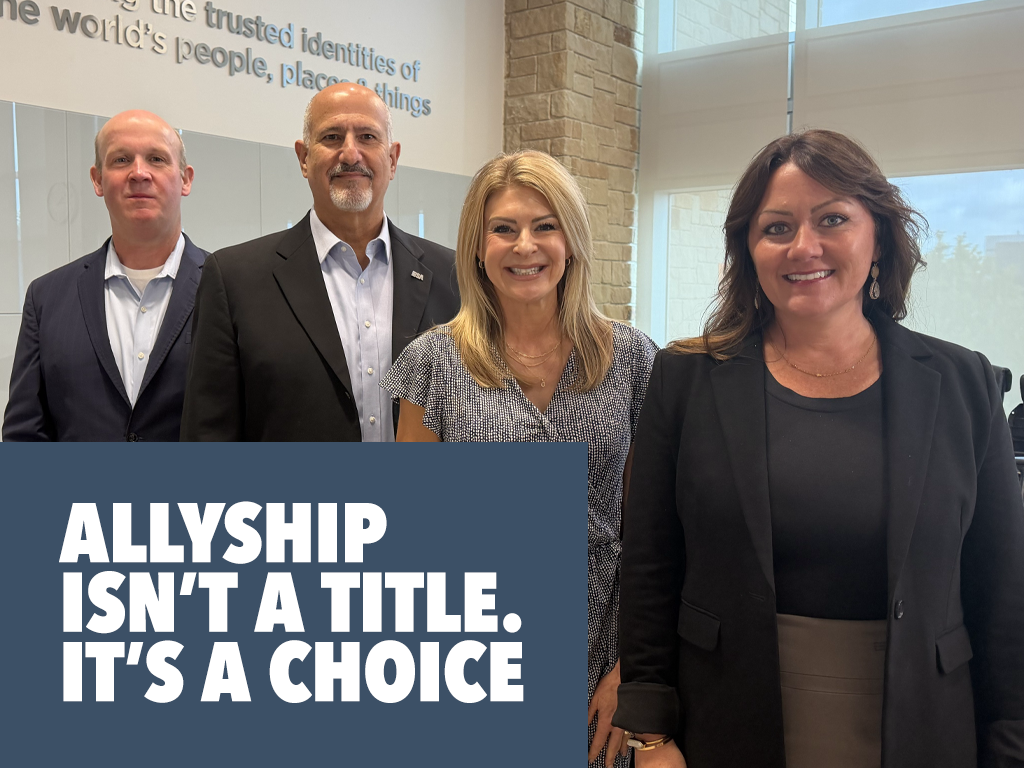
Recently, I was invited by Stephenie Haldane, Vice President of End User and A+E Sales with HID and host of the newly launched SupportHER podcast, to participate in a LinkedIn Live conversation focused on male allyship in the security industry. The discussion centered on a question that deserves more attention: What does it actually mean to be an ally?
As I prepared for the conversation, I found myself thinking about that question more deeply than I expected. I’ve spent nearly four decades in the electronic security and life safety industry. I’ve had the privilege of working with incredibly talented people and serving in leadership positions, including leading an organization that represents thousands of professionals across our industry. I’ve also benefited from people who opened doors for me, people who offered advice, introduced me to someone I needed to know, and trusted me with responsibility. That experience shaped how I think about leadership. Leadership isn’t simply about what you accomplish yourself. It’s also about what you do to help other people succeed.
Mentorship Is Not the Same as Sponsorship
One of the questions during the podcast was about the difference between mentorship and sponsorship. I believe that distinction matters. Mentorship is about helping someone become better, sharing experience, offering advice, asking questions, and helping someone navigate challenges.
Sponsorship goes a step further. Sponsorship means putting your own credibility behind someone. It means recommending them for an opportunity, giving them visibility, introducing them to people they need to know, inviting them into the room and advocating for them when they’re not there. You can mentor someone for years and still not materially change their career trajectory if you’re never willing to put your own reputation behind them. That’s where I believe male leaders have an enormous opportunity. We don’t need more men simply saying, “I support women.” We need more men willing to say, “I believe in her ability to lead, and I’m going to do something about it.”
Allyship Is About Action
I’ve come to believe that allyship isn’t a title. It’s a pattern of behavior. It’s making sure someone gets credit for an idea. It’s noticing when someone is being talked over and making space for them to finish. It’s recommending someone for a committee, board, speaking opportunity, or leadership position.
It’s asking, “Who else should be in this room?” And sometimes it’s asking the more uncomfortable question: “Why isn’t there a woman in this room?” The answer isn’t always intentional discrimination. Sometimes we simply continue to select the people we know, the people we’ve worked with before, or the people who look like the leaders we’ve always had. That’s precisely why intentionality matters.
A Different Perspective
Our industry has made significant progress. Organizations have created affinity groups, leadership programs and networks designed to help women build relationships, develop professionally and advance into leadership roles.
But awareness isn’t enough. The next step is advancement. It’s one thing to put more women on a panel. It’s another to prepare women to lead the organizations represented on that panel. At ESA, approximately 75% of our professional staff are women. That statistic is significant, but what matters more is what it represents: the talent, expertise, leadership and perspective women bring to our organization every day.
If women represent such a significant part of the talent pool, they should also have a meaningful presence in the leadership pipeline. Representation isn’t simply about numbers. It’s about making sure talent has an opportunity to rise.
Leadership Means Using Your Influence
One of the responsibilities of leading an industry association is having a platform. At ESA, we have opportunities every day to influence who gets visibility, who gets opportunities, and who gets a seat at the table. Our responsibility is to make sure talented people are developed and given opportunities to lead.
The goal isn’t to put someone in a leadership position because she’s a woman. The goal is to make sure talented women aren’t overlooked because the traditional leadership pipeline hasn’t always included them. Merit and opportunity aren’t competing concepts. We can insist on excellence while making sure we’re looking broadly enough to find the people capable of delivering it.
I’ve had the opportunity to work with many talented women leaders throughout my career. Their leadership has challenged my thinking, broadened my perspective, and made me a better executive. One example is Jillian Bateman-McIntosh, our COO at ESA. Watching Jillian lead has reinforced that effective leadership isn’t about being the loudest person in the room or having all the answers. It’s about creating clarity, building confidence, taking ownership, and empowering others to perform.
Looking Ahead
Ten years from now, I hope we’re having a very different conversation. I hope we’re no longer asking whether women belong in the security industry. I want to see women leading integration companies, technology companies, monitoring companies, and industry organizations. I want to see more women serving as CEOs, board chairs and senior executives. Most importantly, I want a young woman entering our industry to look around and see leadership opportunities as something available to her, not something she has to fight her way into.
My personal conviction is that advancing women in security isn’t simply the right thing to do. It’s essential to the future competitiveness of our industry. We have workforce, leadership and innovation challenges, and we need every talented person we can attract, develop and retain. My commitment is to be more intentional about sponsorship, to identify talented women ready for greater responsibility and do more than mentor them. Give them opportunities. Give them visibility. Put them forward. Put my credibility behind them.
Because ultimately, allyship shouldn’t be measured by what we say about it. It should be measured by who gets the opportunity to lead because we were willing to open a door. That’s a responsibility I’m proud to accept—and one I believe every leader in our industry can embrace.